We are processing your request.
Please, don’t close or refresh the page.
Chicago Tickets Field Museum Sue The T Rex
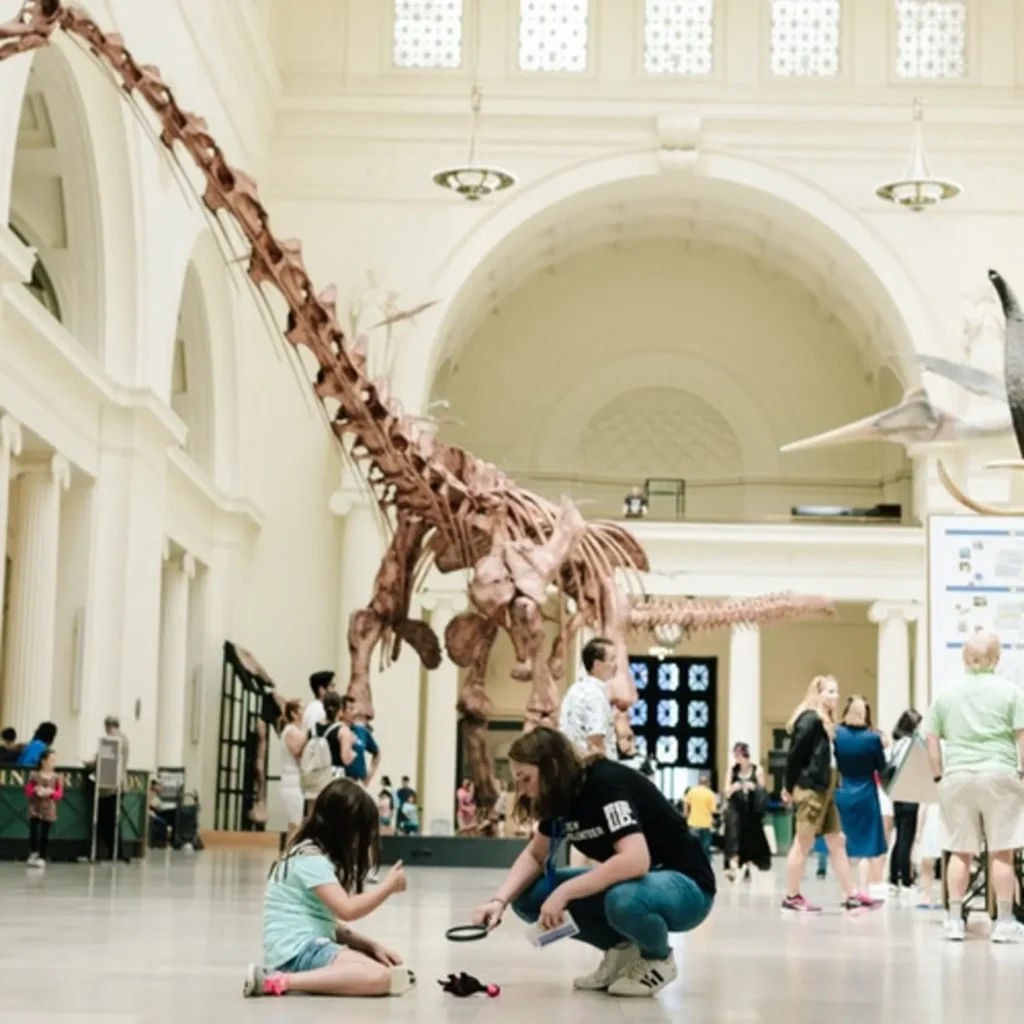
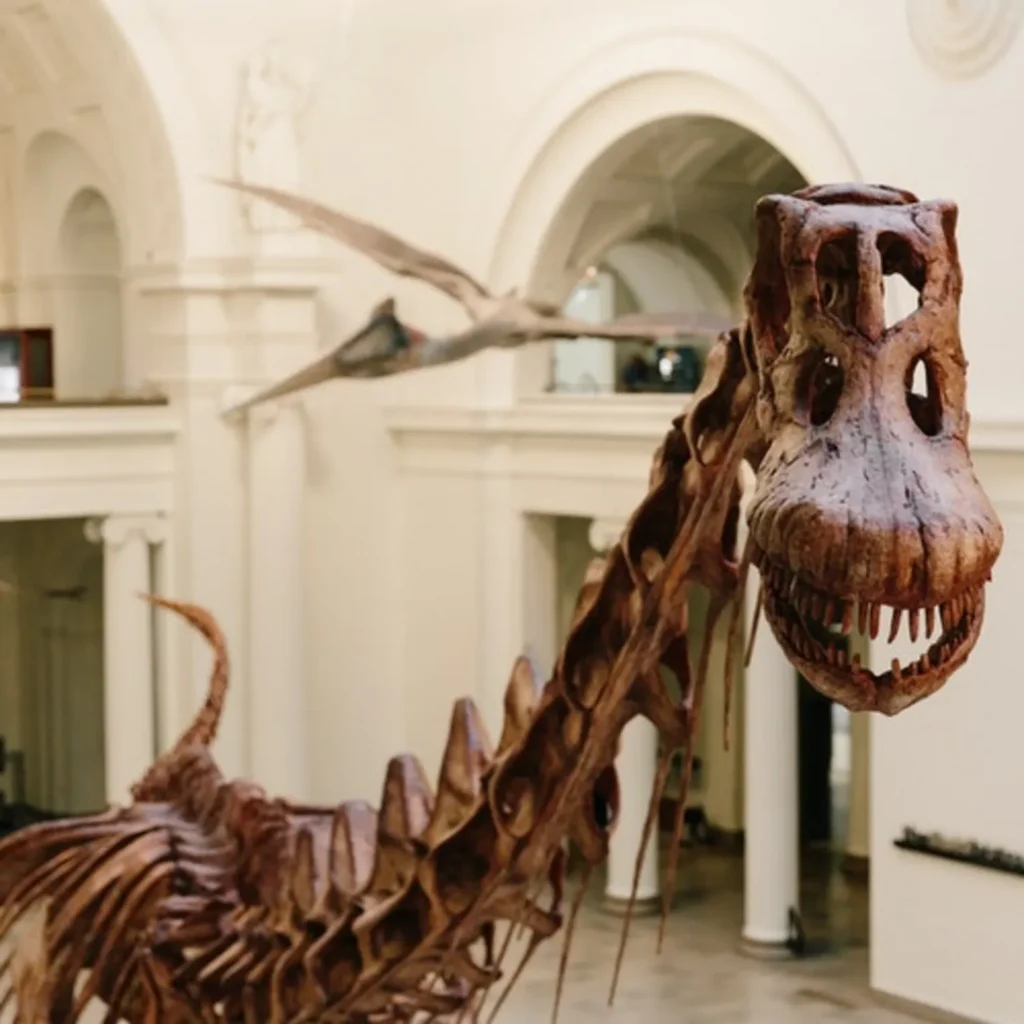
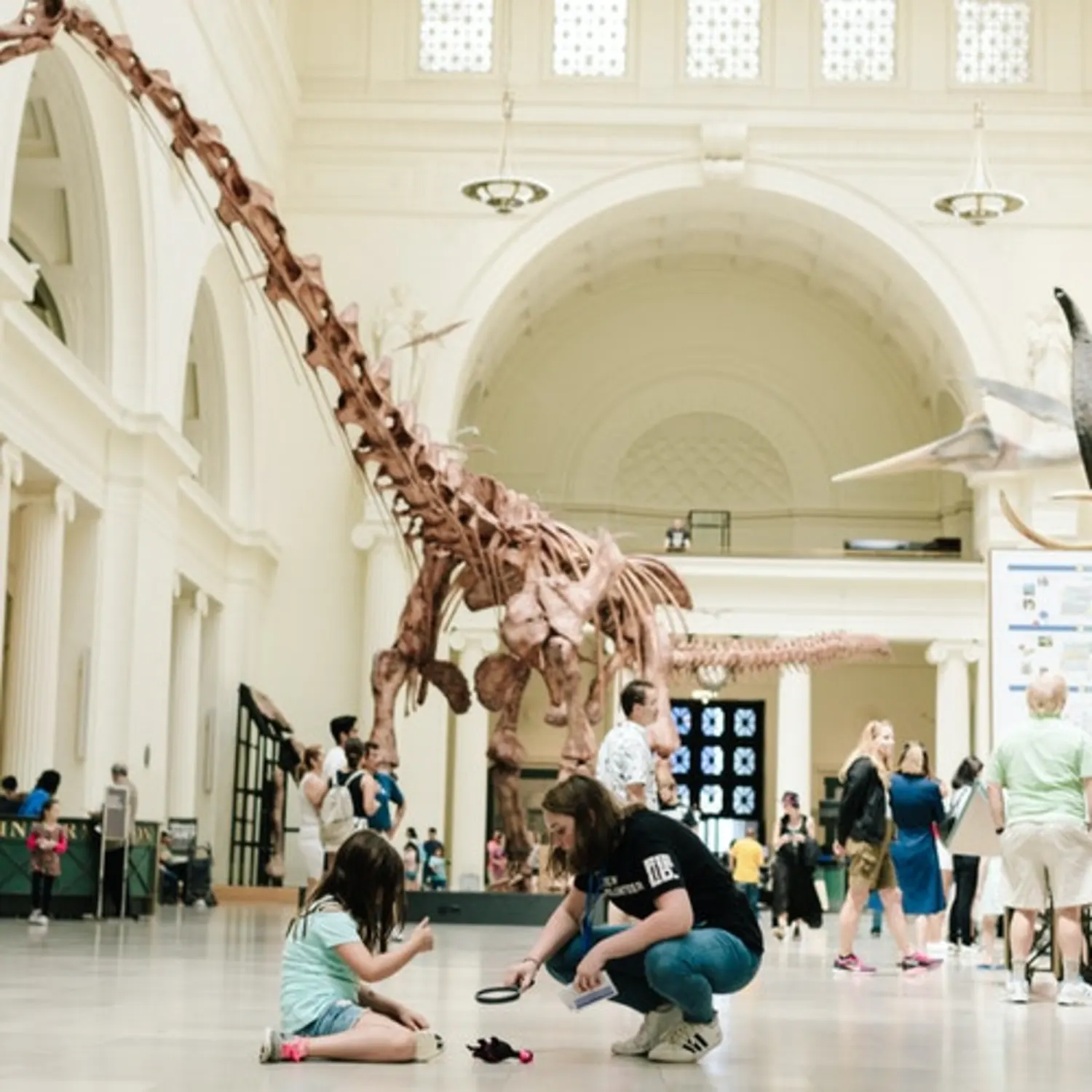
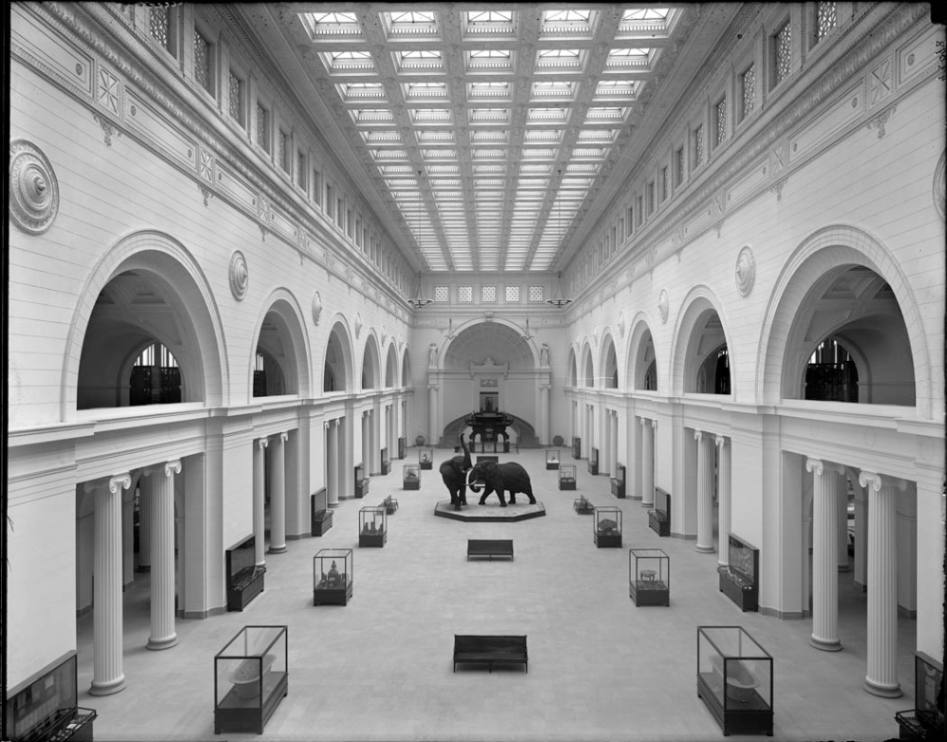
Stanley Field Hall at the Field Museum in Chicago

SUE the T. rex at the Field Museum

The largest Tyrannosaurus rex skeleton ever found, from a bluff in South Dakota to a private suite in the Field Museum. Its story, what the bones reveal and how to fit SUE into your visit.

SUE is the Field Museum's most famous resident and one of the best-known fossils on Earth. Over 40 feet long and 13 feet tall at the hip, SUE is the largest of the more than 30 Tyrannosaurus rex skeletons known to science, with 90 percent of its skeleton preserved. Since December 2018 SUE has lived in a dedicated suite inside the Griffin Halls of Evolving Planet, not in the great hall where many visitors remember it. This guide covers how SUE was found, why it cost a record sum, what scientists have learned from the bones and how to find the suite. For transport and timings, see our Field Museum visitor guide.

The Field Museum of Natural History: General Admission

Highlights

Discover nearly 40 million artifacts and specimens ranging from prehistoric to modern times.

View SUE, one of the largest and most complete T. Rex skeletons ever discovered.

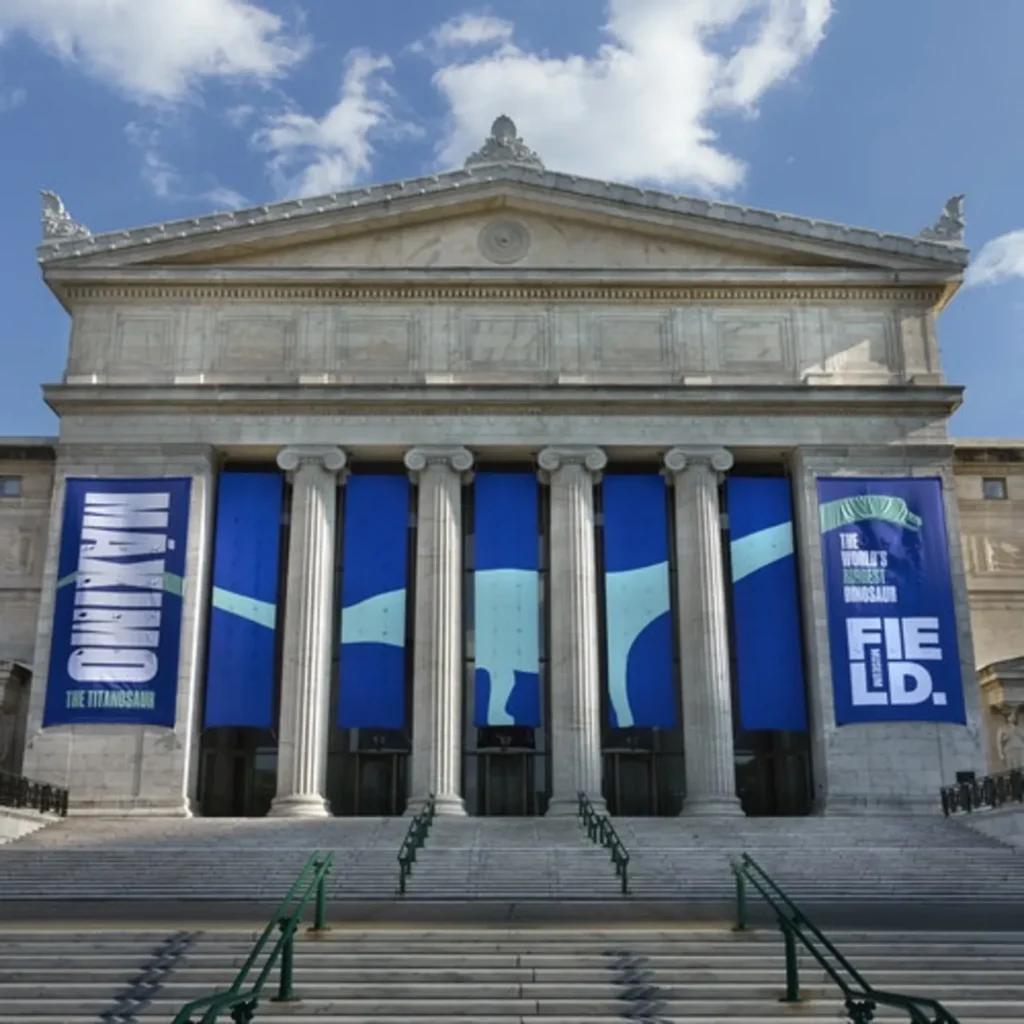
Explore the towering Titanosaur, one of the biggest dinosaurs ever found.

Admire the extensive Grainger Hall of Gems featuring hundreds of precious stones and antique jewelry.

Interactive play areas for children to learn science in a hands-on way.

Regularly changing temporary exhibitions alongside permanent collections.

Shop for unique souvenirs at the museum’s gift store.
SUE the T. rex: key facts

Found in 1990 by fossil hunter Sue Hendrickson, north of Faith, South Dakota; six people took 17 days to dig the bones out.

SUE lived 67 million years ago, in the Cretaceous period, and reached 28 years old, the upper end of a T. rex lifespan.

The skeleton is 90 percent complete: 250 of the 380 or so bones known for a T. rex.

The Field Museum bought SUE at auction in 1997 for $8.4 million, then the highest price ever paid for a fossil at auction.

SUE was unveiled in Stanley Field Hall on 17 May 2000 and moved to a new suite that opened on 21 December 2018.

The suite covers 5,100 square feet, about the size of a professional basketball court.

SUE's catalogue number is FMNH PR 2081; because the dinosaur's sex is unknown, the museum does not call SUE he or she.

From a South Dakota bluff to Chicago

Interior of the Field Museum of Natural History

In 1990, during a commercial fossil dig north of Faith, South Dakota, Sue Hendrickson noticed large vertebrae weathering out of an eroded bluff and suspected there was much more underground. She was right. Six people spent 17 days extracting the bones, and the dinosaur took her name.

What followed was a five-year custody dispute over who owned the fossil. It ended with a public auction in 1997, where the Field Museum won with an $8.4 million bid backed by McDonald's, Walt Disney World Resort and private donors. At the time, no fossil had ever sold for more at auction.

Building SUE: 50,000 hours of work

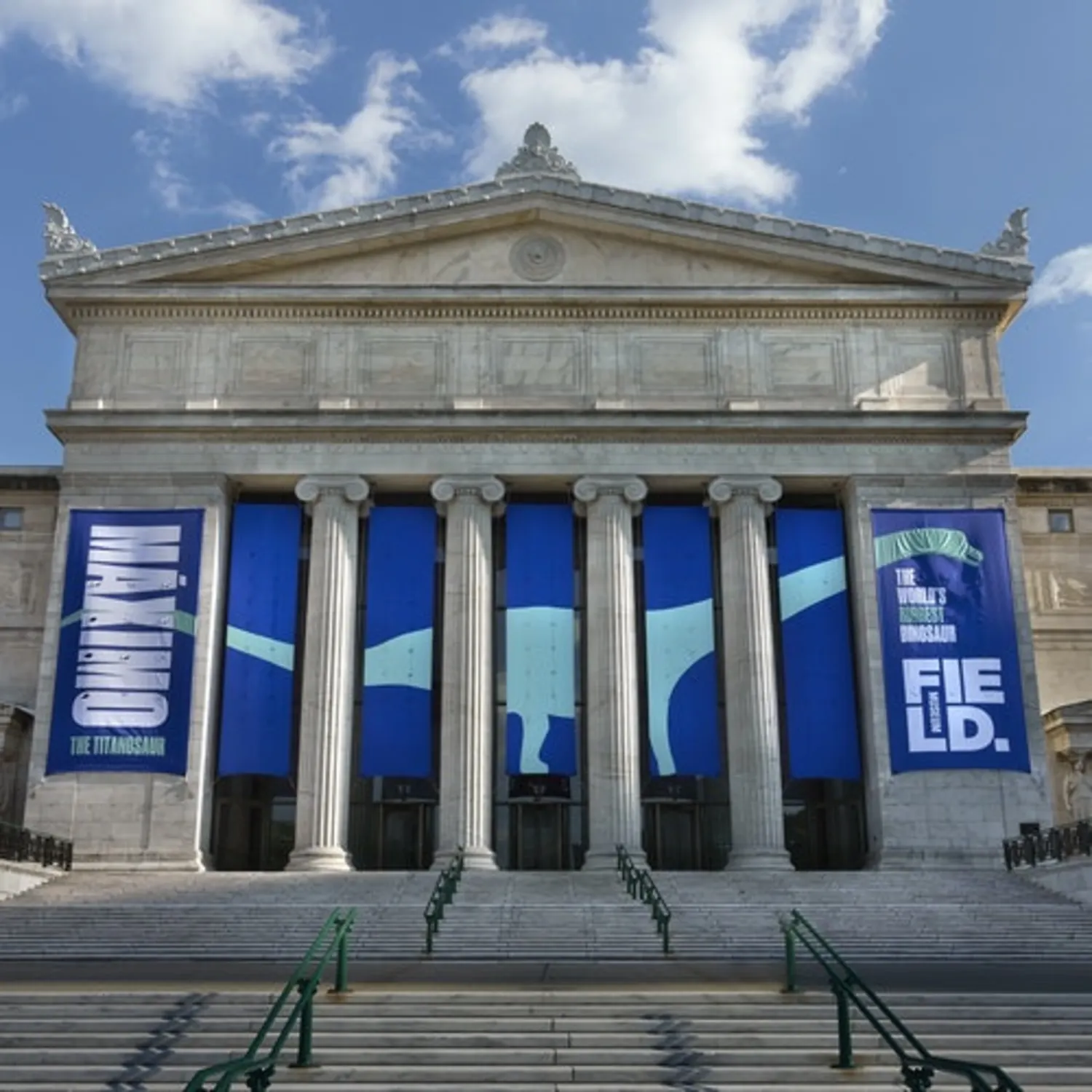
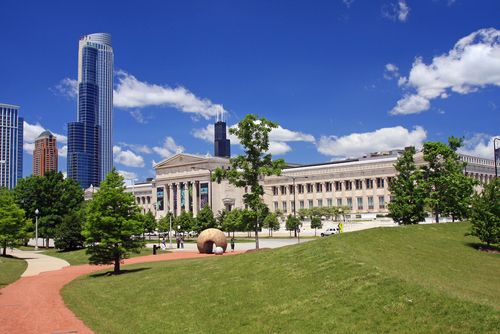
The Field Museum building on Chicago's Museum Campus

Turning a jacketed fossil into a standing skeleton took years. Twelve preparators spent more than 30,000 hours cleaning and repairing the bones, and another 20,000 hours went into building the exhibit around them. SUE was unveiled in Stanley Field Hall, the museum's grand central hall, on 17 May 2000, and stood there until early 2018.

On 5 February 2018 the team began taking SUE apart again. The move gave scientists the chance to update the skeleton with two decades of new research, including bones that had been left off the first mount because nobody was sure where they belonged.

SUE's suite: what you see today

Stanley Field Hall at the Field Museum

SUE's new home opened on 21 December 2018 as part of the Griffin Dinosaur Experience. The 5,100-square-foot suite is built like a private room for one animal. A narrated light show picks out individual bones as the story is told, and digital animations run across six 9-foot-tall screens set out as a panorama, showing SUE hunting an Edmontosaurus and fighting a Triceratops.

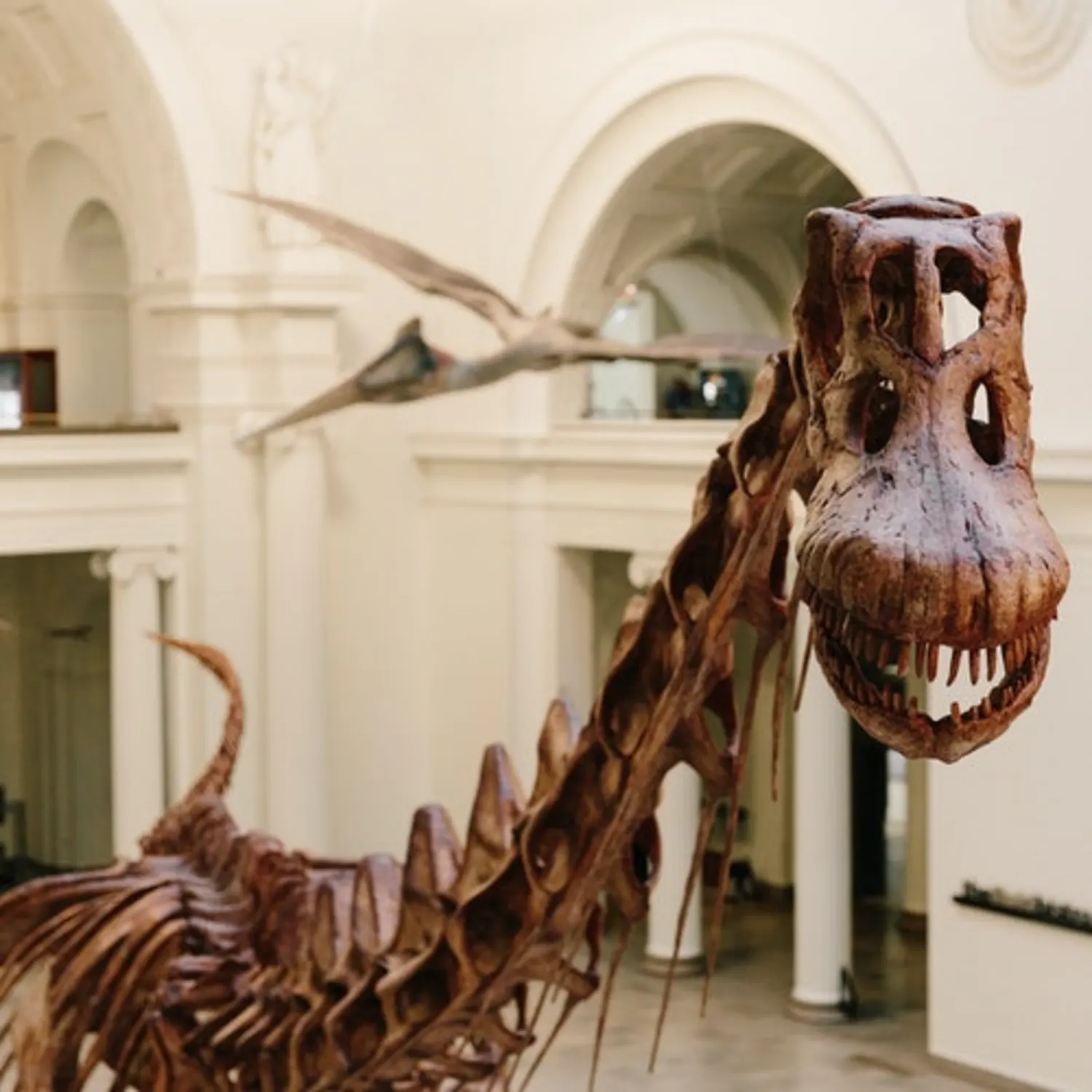
The updated skeleton now includes the gastralia, rib-like belly bones that helped a T. rex breathe and make SUE look bulkier than before. Look closely at the head: the skull on the mounted skeleton is a cast. The real skull sits in its own freestanding case nearby, where scientists can still study it.

What the bones have taught scientists

Fossil replica in the Field Museum's collections

SUE is a research specimen as much as a display. Growth rings in the bones show that SUE went through an adolescent growth spurt of up to 4.5 pounds a day and reached full size at age 19. In 2016 one of the forelimbs was micro-CT scanned at Argonne National Laboratory in Lemont, Illinois, to study its internal structure.

The bones also record a hard life. The holes in SUE's lower jaw were long read as bite marks from another dinosaur; they are now more widely accepted to be the result of an infection. Molds taken from the skeleton have produced casts that travel to museums around the world, and one complete cast is kept unassembled for research.

Finding SUE inside the museum

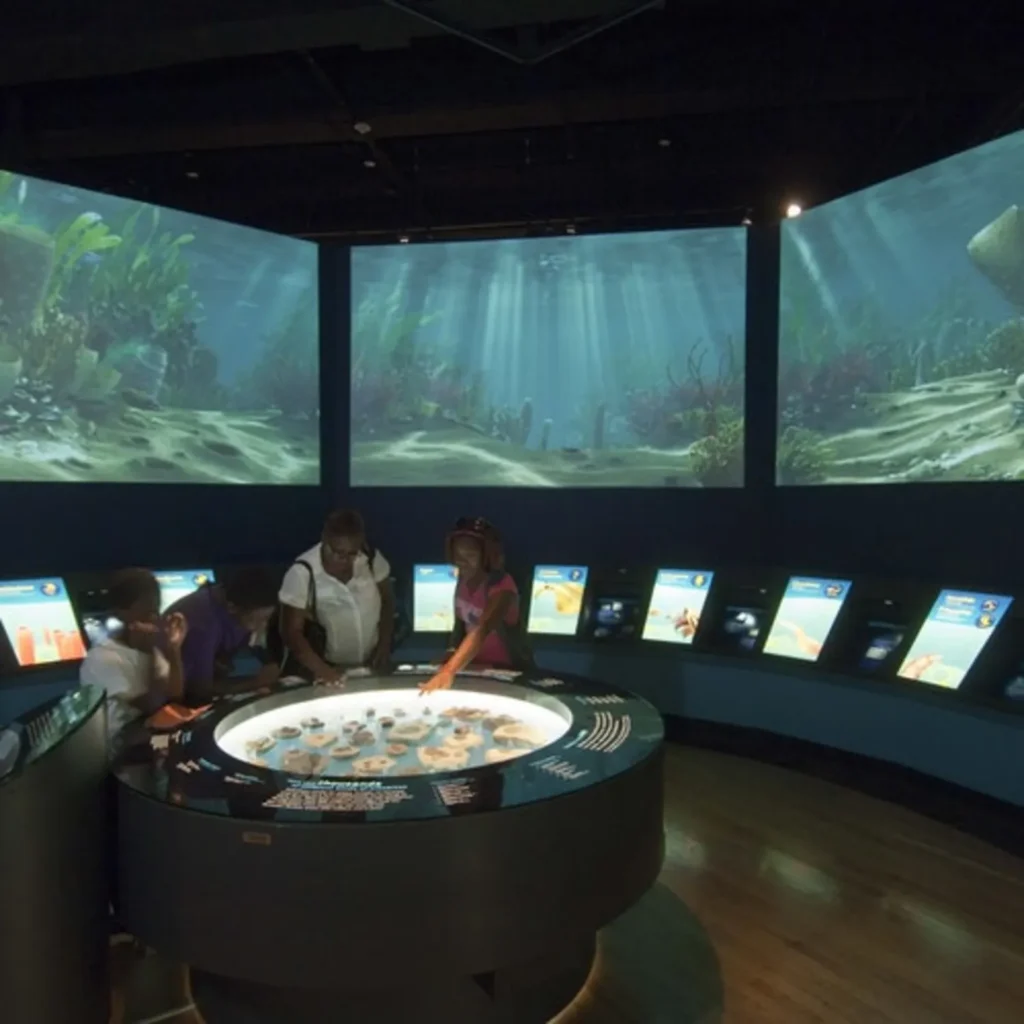
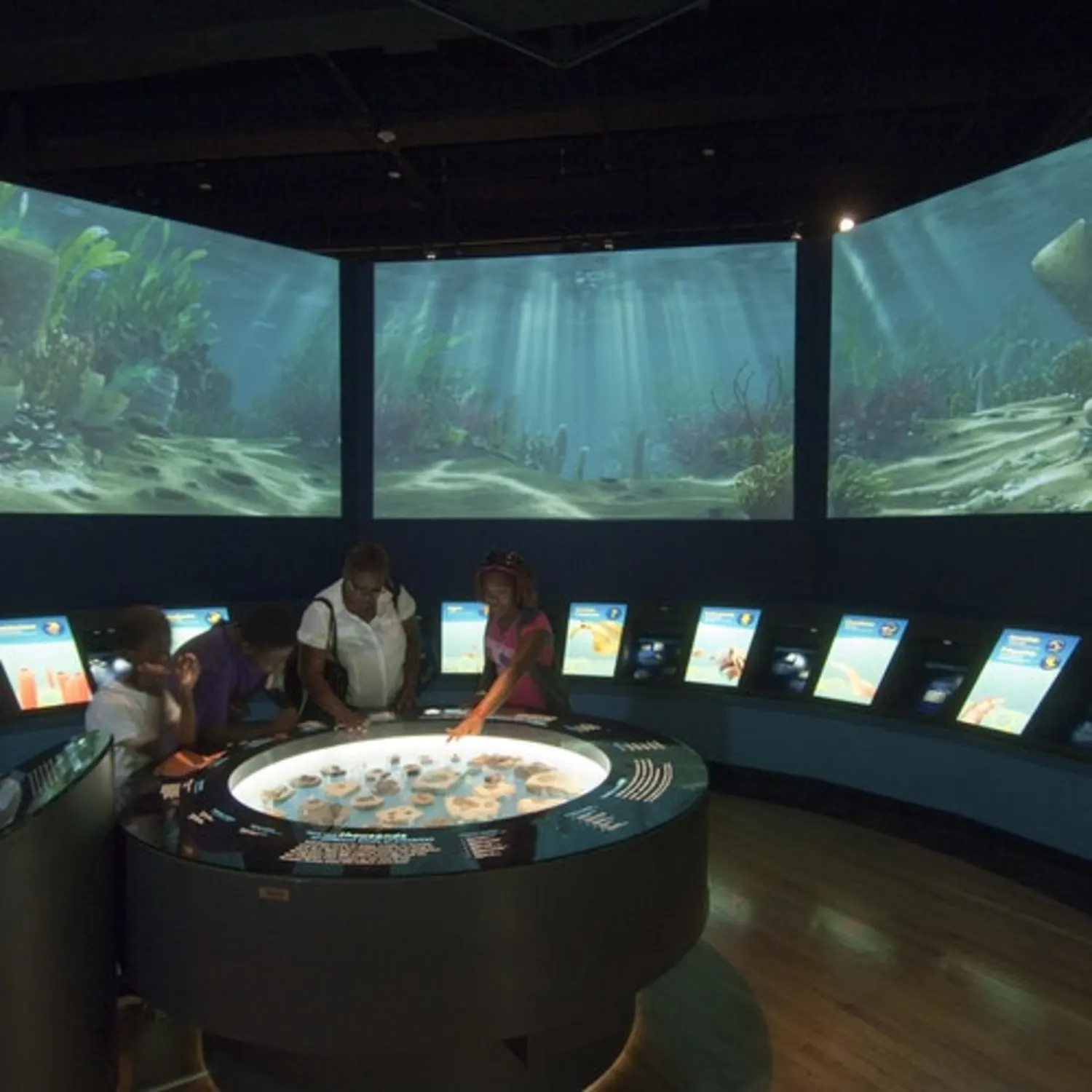
SUE is in the Griffin Halls of Evolving Planet, the exhibition that tells 4.5 billion years of life on Earth across 27,000 square feet.

Walk through the Elizabeth Morse Genius Hall of Dinosaurs, home to more than a dozen of the largest creatures in Earth's history, then turn right past the Triceratops to reach SUE's suite.

Evolving Planet is included with basic admission, so you do not need a separate ticket for SUE.

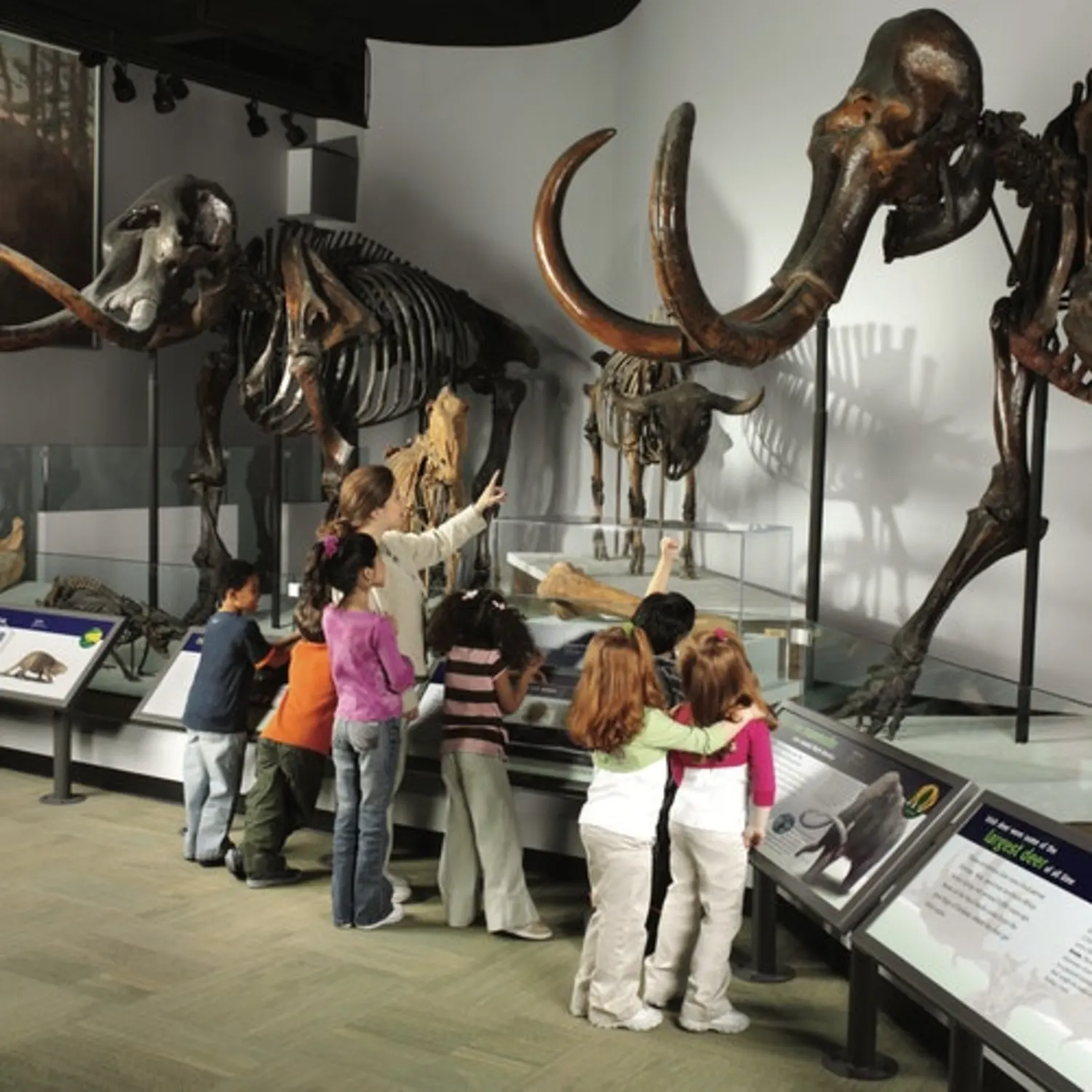
Along the way, look out for the giant ground sloth Megatherium, the Tully Monster (Illinois' state fossil) and a model of Lucy, a 3.2-million-year-old hominid.

Last entry to the museum is one hour before closing; leave time for Evolving Planet, which is large.

The exhibition is suitable for all ages, which makes SUE an easy anchor for a family visit.

Free Wednesdays and what our ticket adds

Illinois residents get free basic admission on Wednesdays, and since SUE is part of basic admission, the suite is included.

That offer applies to Illinois residents only. Visitors from elsewhere, or anyone who wants to choose another day, can book the Field Museum of Natural History General Admission on this page.

Our ticket lets you lock in your visit date on any other day of the week; check what's included and the dates shown when you book.

Plan the rest of your museum day

SUE is one stop in a museum with much more to see. Read our guide to planning a Field Museum visit, compare the other museums in Chicago, or go straight to the Field Museum ticket page to choose your date.

SUE the T. rex: FAQs

Where is SUE the T. rex in the Field Museum?

SUE has a dedicated suite inside the Griffin Halls of Evolving Planet. Walk through the Genius Hall of Dinosaurs and turn right past the Triceratops to reach it.

Is SUE included in a Field Museum general admission ticket?

Yes. Evolving Planet, where SUE's suite is, is included with basic admission, so the General Admission ticket on this page covers it.

Is SUE still in Stanley Field Hall?

No. SUE stood in Stanley Field Hall from May 2000 until it was taken down from 5 February 2018. The new suite in Evolving Planet opened on 21 December 2018.

How big is SUE?

SUE is over 40 feet long and 13 feet tall at the hip, the largest of the more than 30 T. rex skeletons known to science.

How complete is SUE?

SUE is 90 percent complete, with 250 of the 380 or so bones known for a T. rex.

Is SUE's skull real?

The skull on the mounted skeleton is a cast. The real skull is displayed in its own freestanding case in the suite, where scientists can access it.

How old is SUE?

SUE lived 67 million years ago, in the Cretaceous period, and lived to 28 years old, the upper end of the T. rex lifespan.

Who found SUE and how did the museum get it?

Sue Hendrickson found the fossil in 1990 near Faith, South Dakota. After a five-year custody dispute, the Field Museum bought it at a public auction in 1997 for $8.4 million.

Is SUE male or female?

Nobody knows. The dinosaur is named after Sue Hendrickson, and because its sex cannot be determined from the bones, the museum avoids calling SUE he or she.

Is there a free day to see SUE?

Illinois residents get free basic admission on Wednesdays, which includes SUE. Visitors from outside Illinois, or anyone wanting another day, can book General Admission for the date that suits them.

What else is near SUE in the museum?

Evolving Planet also has the Genius Hall of Dinosaurs, a giant ground sloth, the Tully Monster and a model of Lucy, so plan extra time in that part of the museum.

About this guide

Sources: Field Museum, SUE the T. rex; Field Museum, SUE the T. rex's new suite (press release); Field Museum, Griffin Halls of Evolving Planet; Field Museum, Visit.