

Video · 0:42 · Chicago · November 19, 2026
The Man-Eaters of Tsavo: Why Two Lions Spent 25 Years as Rugs
In 1898, two maneless lions attacked the workers building a railway bridge over the Tsavo River in Kenya for about nine months. John Henry Patterson, the engineer in charge, shot both of them in December 1898. He claimed they had killed 135 people; scientists now put the toll much lower, at least around 30. Patterson kept the skins as rugs and in 1924 sold them to the Field Museum for $5,000, where the lions are still on display.

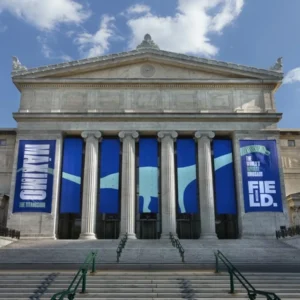
The Field Museum of Natural History: General Admission
Highlights
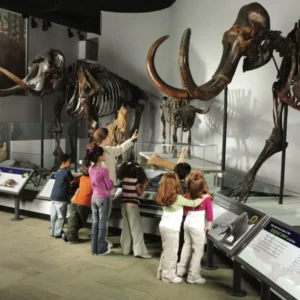
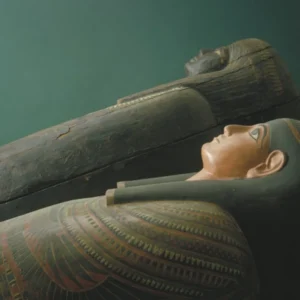
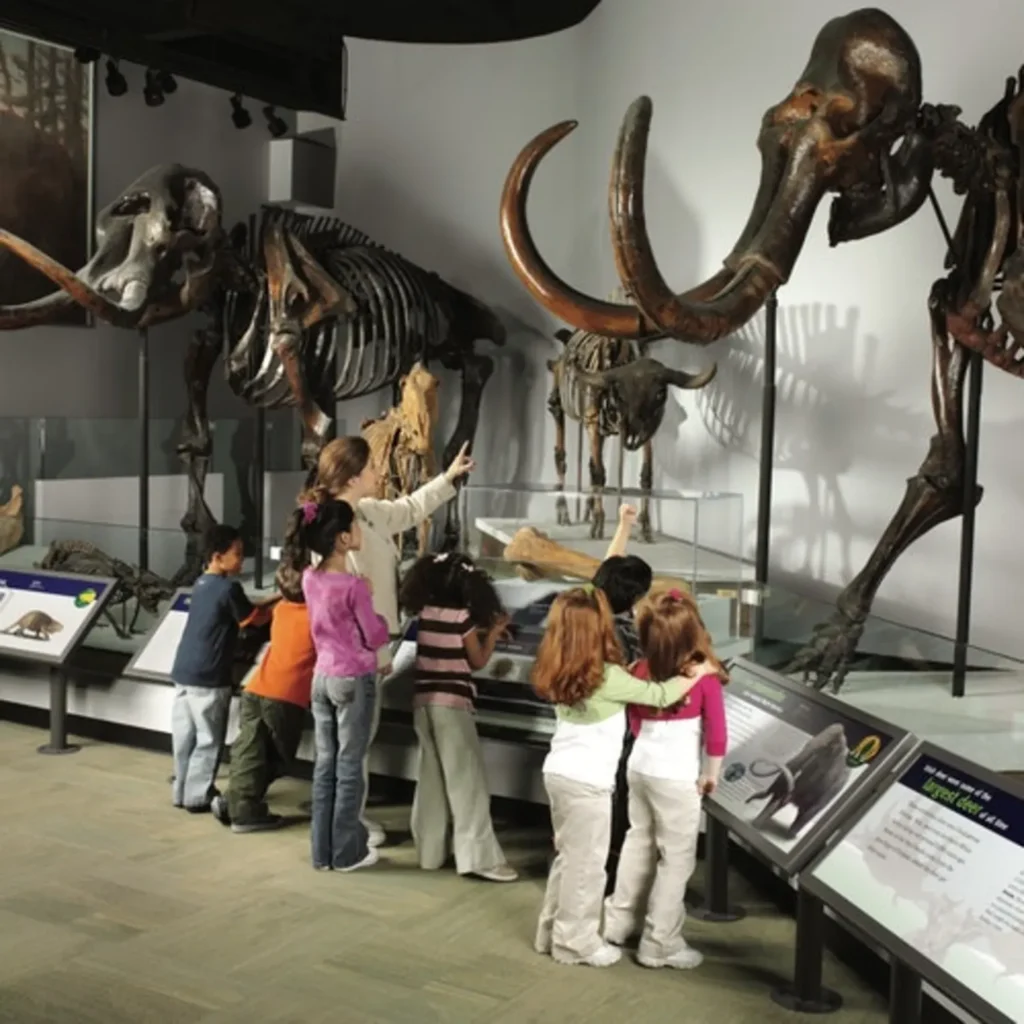
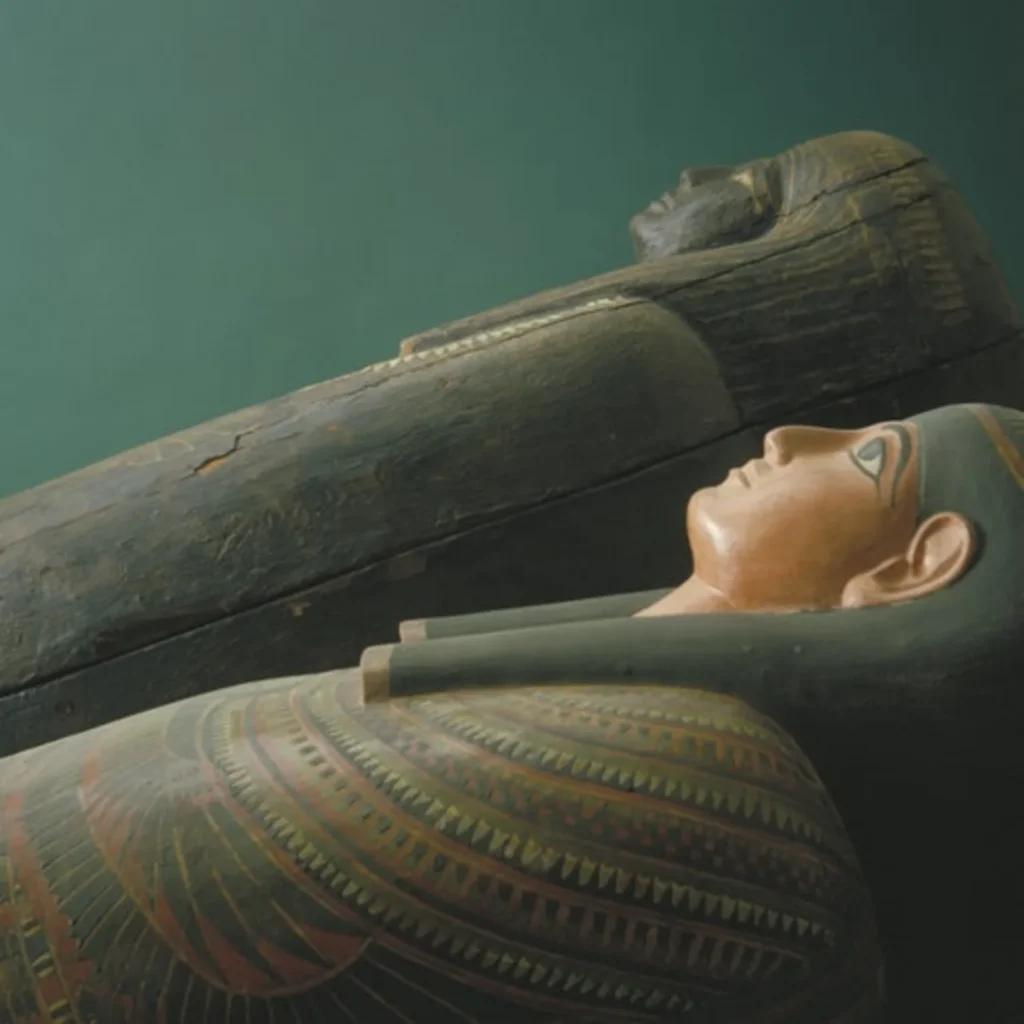
Discover nearly 40 million artifacts and specimens ranging from prehistoric to modern times.
View SUE, one of the largest and most complete T. Rex skeletons ever discovered.
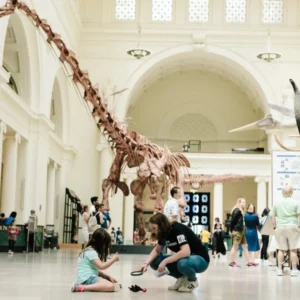
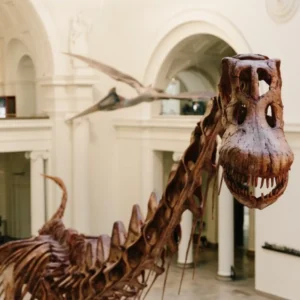
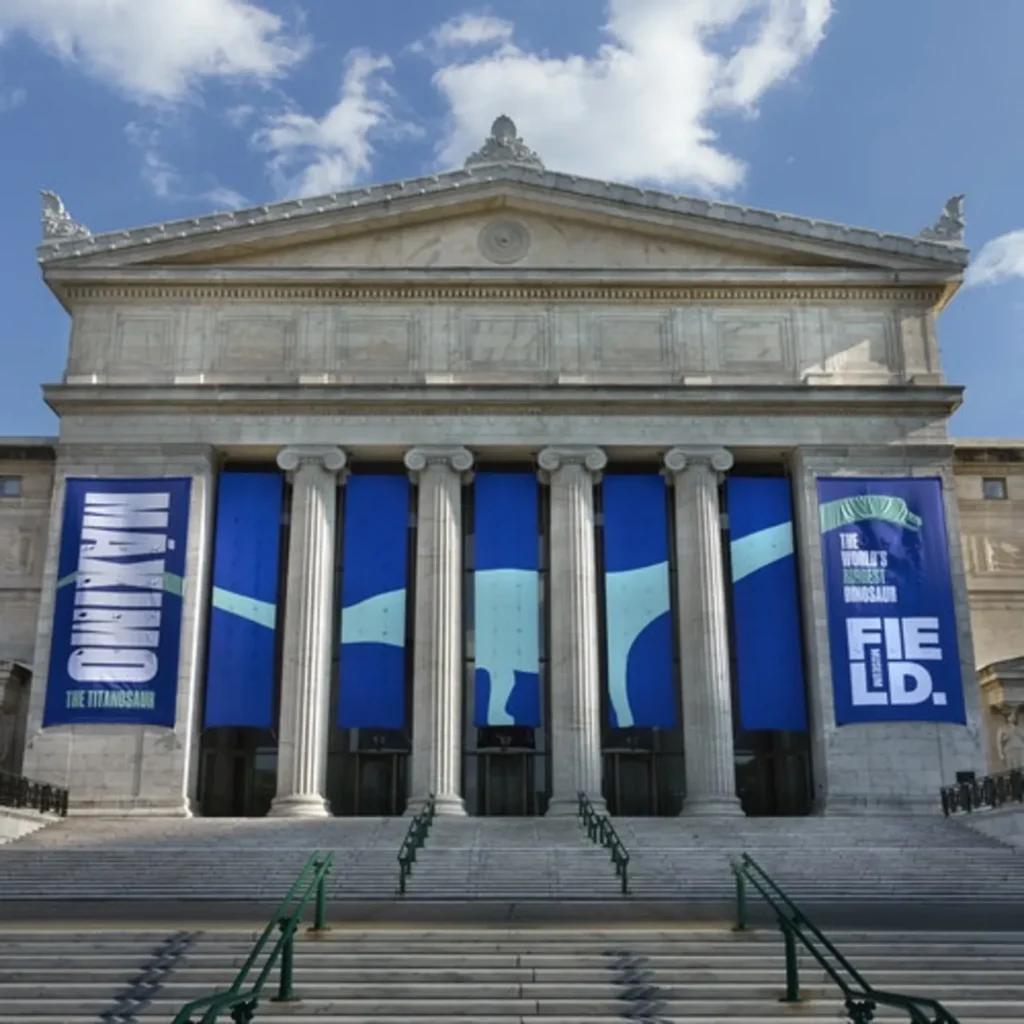
Explore the towering Titanosaur, one of the biggest dinosaurs ever found.
Admire the extensive Grainger Hall of Gems featuring hundreds of precious stones and antique jewelry.
Interactive play areas for children to learn science in a hands-on way.
Regularly changing temporary exhibitions alongside permanent collections.
Shop for unique souvenirs at the museum’s gift store.

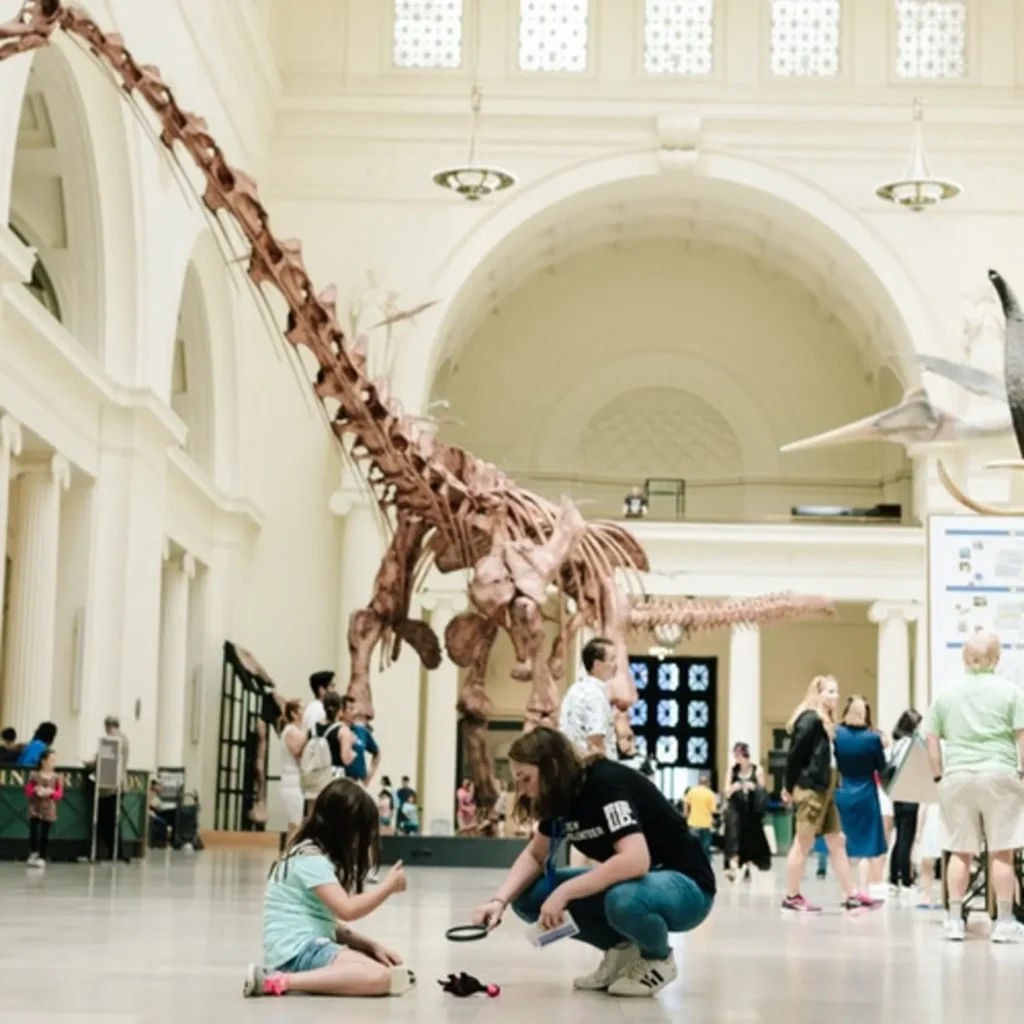
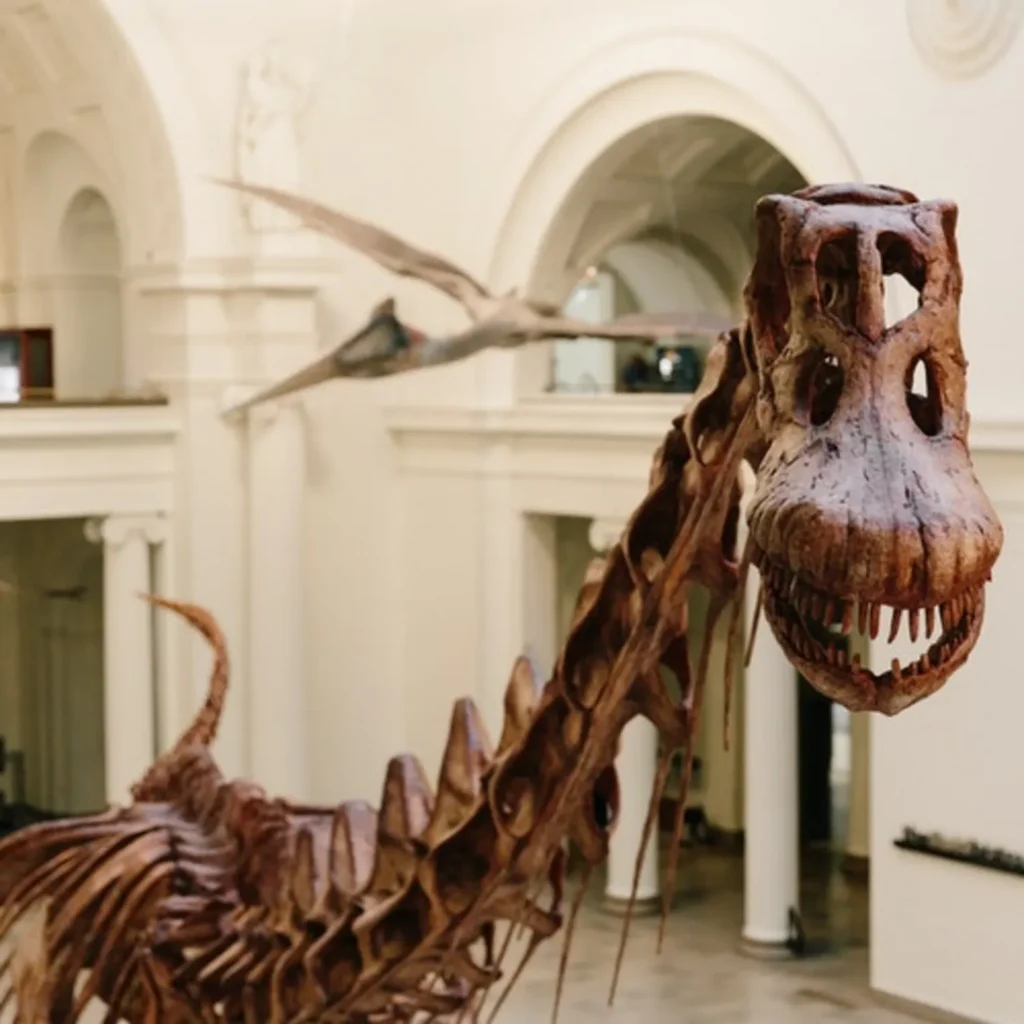
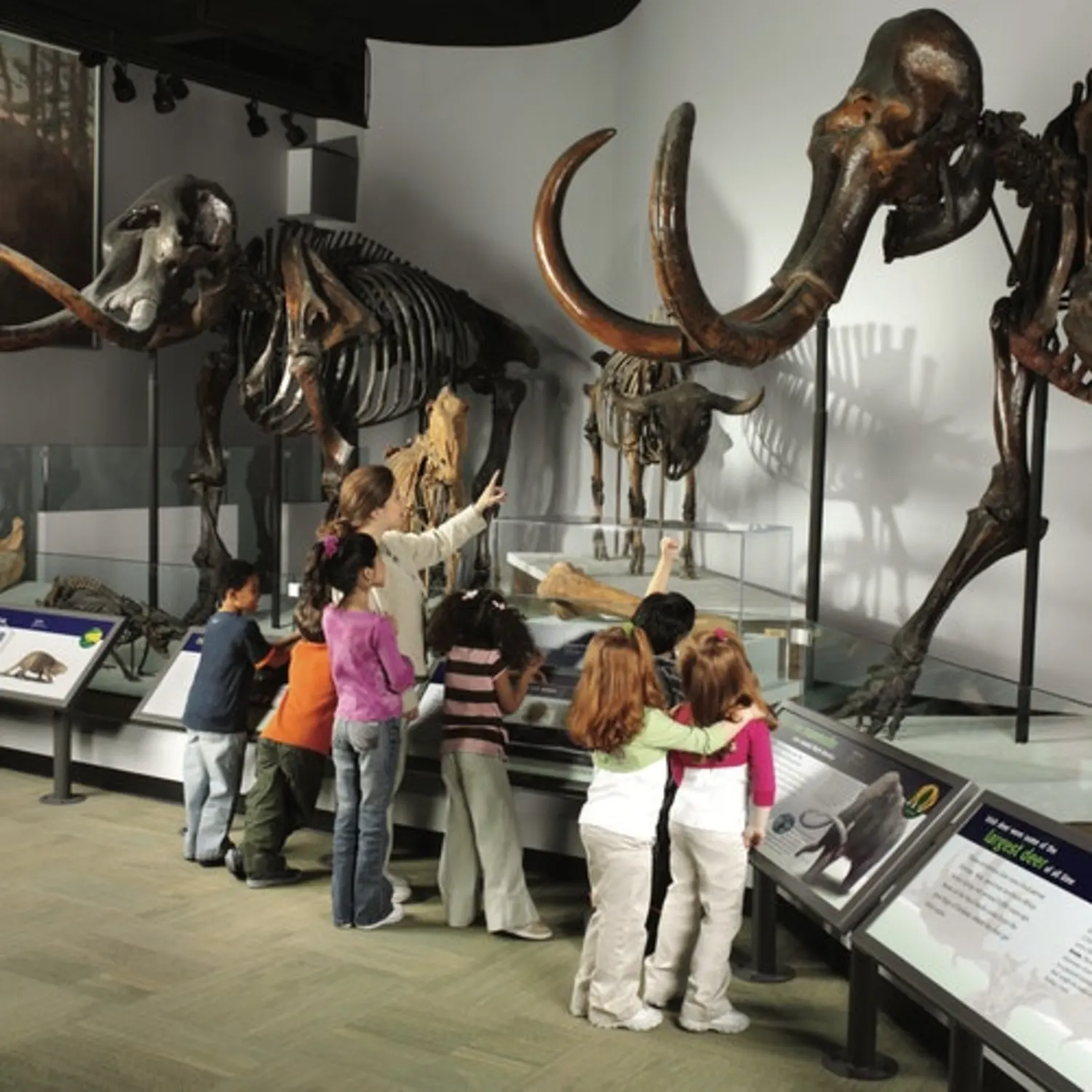

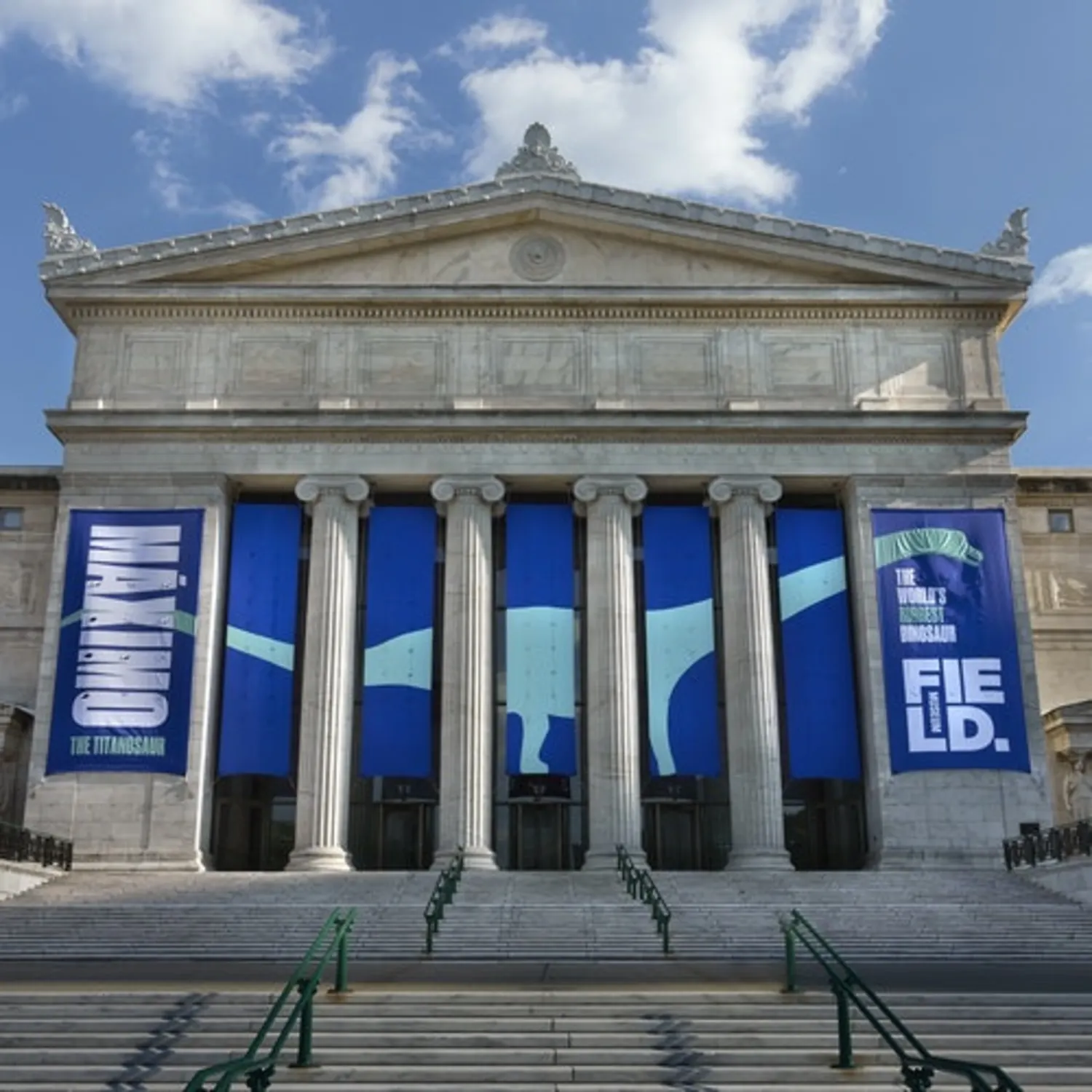
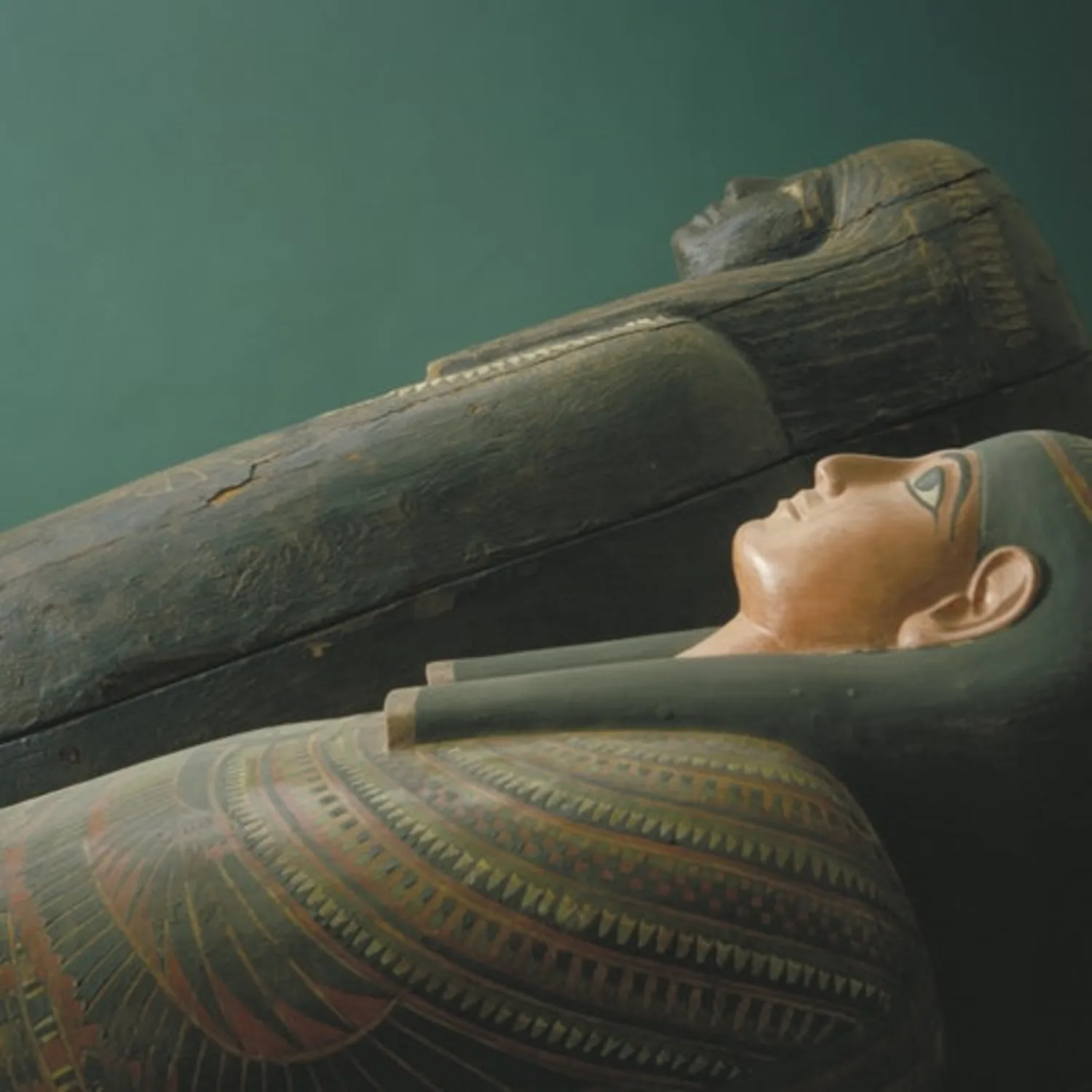
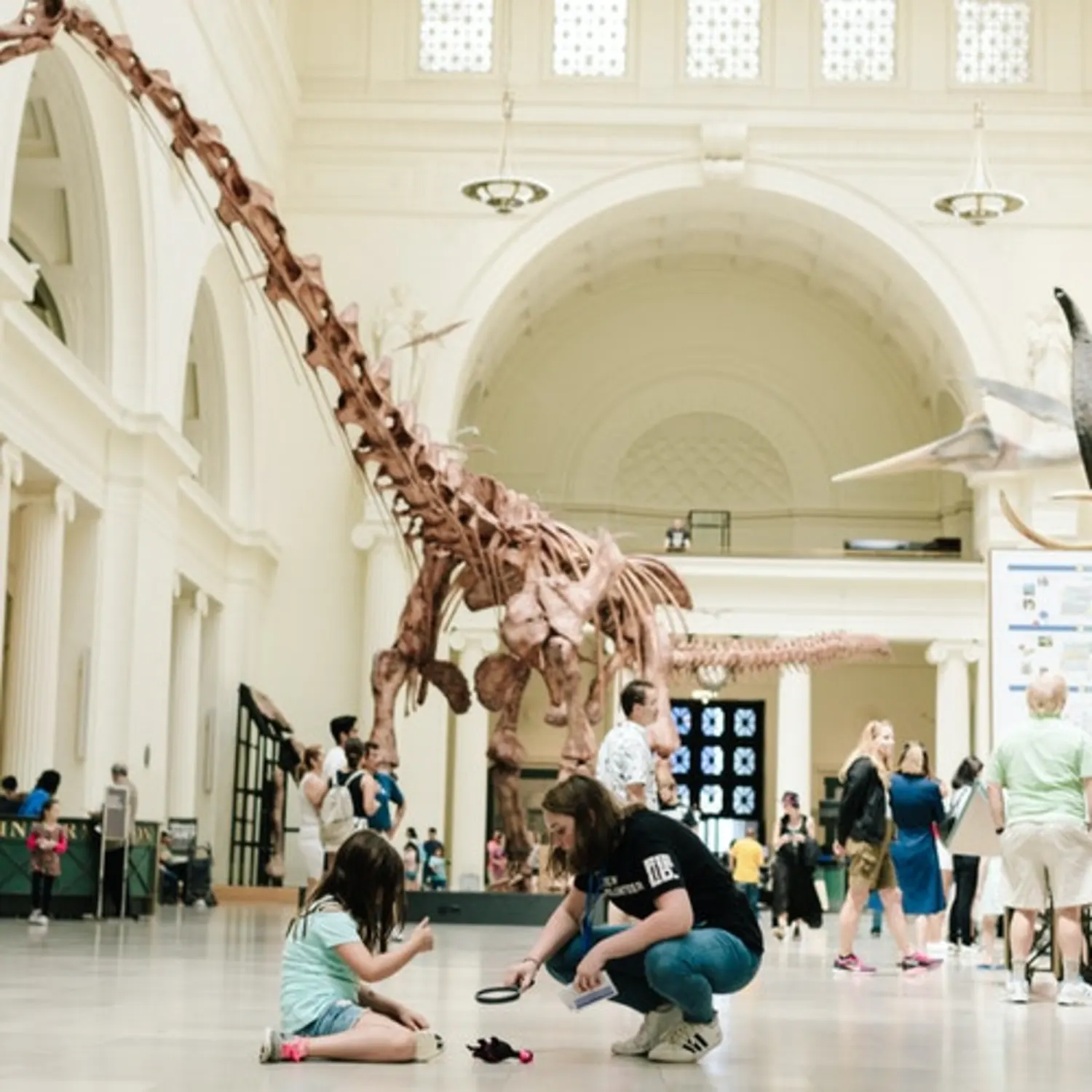
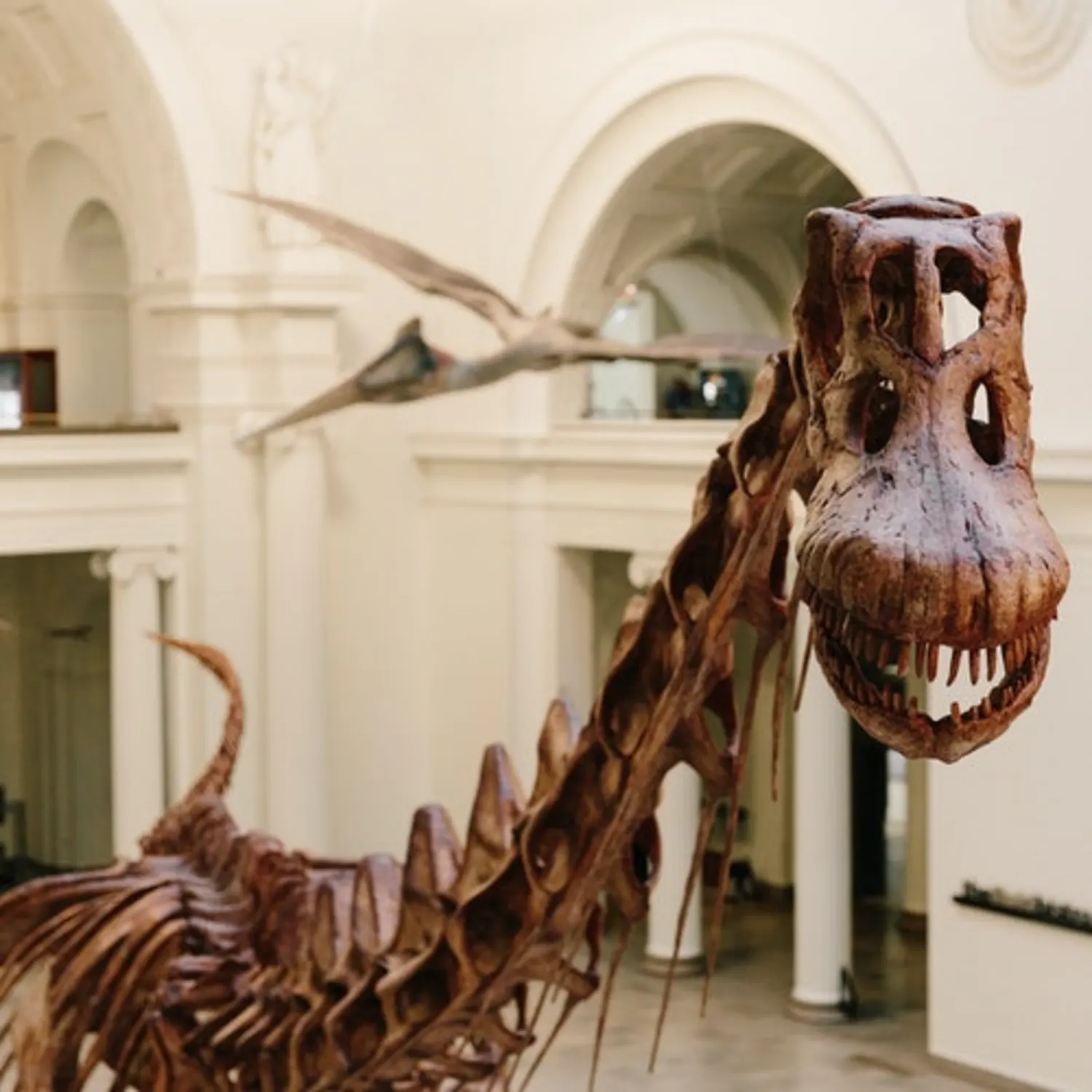
The Field Museum of Natural History: General Admission
- Free Cancellation
- Approx 2h
- Mobile Tickets
- Instant confirmation
- 24/7 Customer service
Video transcript
The two deadliest lions in history spent 25 years as rugs. Kenya, 1898. Thousands of men are building a railway bridge. At night, two lions walk into the camp. They drag men out of their tents. Fences and fires do not stop them. It goes on for nine months. The workers flee. The railway stops. The engineer in charge hunts them himself, night after night. In December, he shoots them both. He says they killed 135 people. Scientists now say at least 30. He keeps the skins as rugs on his floor. 25 years later, he sells them to a museum for $5,000. The museum turns the rugs back into lions. You can stand in front of them at the Field Museum in Chicago. Now you know. Now go. Tourism Tickets.